Nuclear Waste Safety
Nuclear Waste Safety
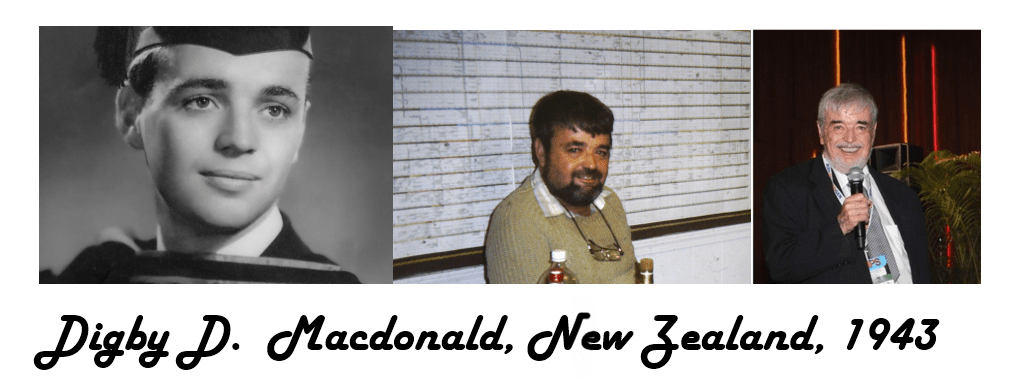
DIGBY D MACDONALD’s research advises prioritizing corrosion resistant materials, conservative performance modeling, robust multibarrier designs, longterm monitoring, and independent verification to ensure nuclear waste system safety.
Macdonald’s body of work and mentorship show a strong emphasis on materials and corrosion science as the foundation for credible wastesystem safety cases. His academic profile and institutional roles reflect decades of work linking electrochemistry, passivity, and longterm materials behavior to nuclear applications.

Key Recommendations
- Materials Selection and Corrosion Testing — Choose alloys proven in repository conditions and run accelerated tests.
- Conservative Performance Modeling — Use bounding assumptions and sensitivity studies for centuriesscale predictions.
- MultiBarrier Robustness — Design engineered and natural barriers so failure of one does not lead to release.
- LongTerm Monitoring and Retrievability — Instrument sites and keep options to retrieve or remediate waste.
- Independent Review and Transparency — Require thirdparty validation and public documentation.
Design and Safety Priorities
| Priority | What Macdonald Would Stress | Typical Engineering Actions |
|---|---|---|
| Container materials and corrosion testing | Select alloys with demonstrated long-term resistance; quantify corrosion rates | Accelerated lab tests; in-situ trials |
| Conservative performance modeling | Use bounding scenarios and sensitivity analyses for uncertainties | Bounding assumptions; probabilistic studies |
| Multibarrier system design | Layer engineered and geological barriers for redundancy | Redundant seals; host rock characterization |
| Long-term monitoring and retrievability | Detect surprises early and retain remediation options | Instrumentation; staged closure with retrievability |
| Independent review and transparency | Third-party validation to reduce bias and build trust | Peer review; public safety case documents |
Rationale, TradeOffs, and Practical Steps
- Why materials and corrosion first: Macdonald’s work on passivity and corrosion mechanisms shows that engineered barriers are only as good as the materials chosen and the environments they face; small misestimates of corrosion can change safety outcomes over centuries.
- Conservative modeling compensates for limited longterm data by using bounding inputs and sensitivity studies so decisions aren’t driven by optimistic extrapolations.
- Monitoring and retrievability are pragmatic: even the best models can miss site-specific surprises, so plans to detect and respond are essential.
- Tradeoffs: stronger conservatism and extra testing increase cost and schedule; the practical approach Macdonald favors is riskinformed conservatism—targeted testing where uncertainty matters most, staged licensing, and independent review to focus resources efficiently.
Available Information
Available to Browse at No Cost
- References for published papers.
- References to published books and chapters in published books.
- Research reports from specific subjects for which sponsors are authorized to publish herewith.
Available to Purchase
- Fundamentals of Electrochemical Corrosion and Its Prevention by Digby D Macdonald
- Ideas of problems that require attention from the Research Proposal written by Prof. Macdonald
Coming Soon
Available with Membership
A monthly blog post discussing a specific subject and summarizing state-of-the-art research.
Coming Soon